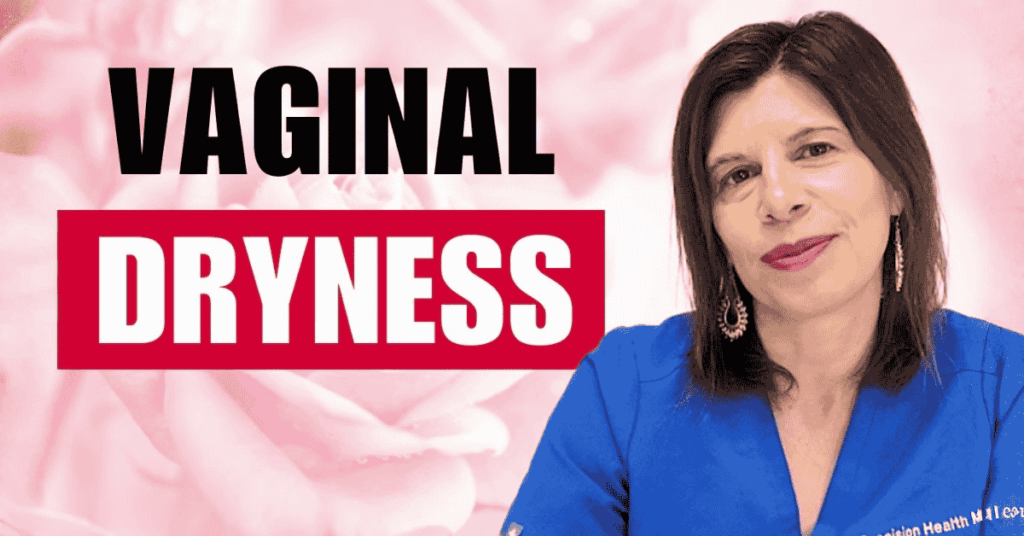
Vaginal dryness is a common and often uncomfortable symptom that becomes more noticeable during the hormonal shifts of perimenopause and menopause.
As estrogen levels fluctuate and eventually decline, the vaginal tissue can become thinner, less elastic, and less naturally lubricated. This can lead to irritation, itching, burning, pain with intercourse, and a general feeling of dryness or discomfort, yet many women hesitate to talk about it, even though it’s one of the most treatable midlife symptoms.
This tag brings together evidence-based insights on what causes vaginal dryness, how estrogen and testosterone influence vaginal tissue, and why symptoms often appear long before menopause is officially reached.
Topics include the role of the genitourinary syndrome of menopause (GSM), the connection between pelvic floor health and vaginal comfort, the impact of stress and cortisol on lubrication, and what current research says about moisturizers, lubricants, vaginal estrogen, and other treatment options.
Whether you’re navigating new symptoms or seeking relief from long-standing discomfort, this section helps women build clarity, confidence, and comfort around an issue that deserves far more open conversation.